
Home equity line of credit
A revolving line for staged projects or uncertain timing. You draw what you need and repay over the draw and repayment periods.
Home equity
Home equity can fund a renovation, cover a major expense or consolidate higher-rate debt. The two common structures behave very differently, so compare access, rate behaviour and repayment before you borrow.
Two structures
The right answer depends on whether you need a lump sum or a flexible draw over time.
A revolving line for staged projects or uncertain timing. You draw what you need and repay over the draw and repayment periods.
A one-time lump sum with a set rate and repayment schedule. Predictable for a known expense.
Match the draws to the project timeline and keep a contingency reserve for surprises.
Compare the new term and total interest, not just the immediate payment reduction.
Side by side
Read the terms together: a lower initial payment can still cost more over the full repayment.
| Feature | HELOC | Fixed home equity loan |
|---|---|---|
| How funds arrive | Draw as needed during the draw period | One lump sum at closing |
| Rate | Usually variable | Usually fixed |
| Payment | May be interest-only during the draw period | Principal and interest from the start |
| Best for | Staged projects or uncertain timing | A known expense with a fixed budget |
| Main risk | Payment changes when rates move | Less flexibility after closing |
| Closing costs | Confirm current terms | Confirm current terms |
Payment view
A home equity payment sits on top of the first mortgage. Test both together.
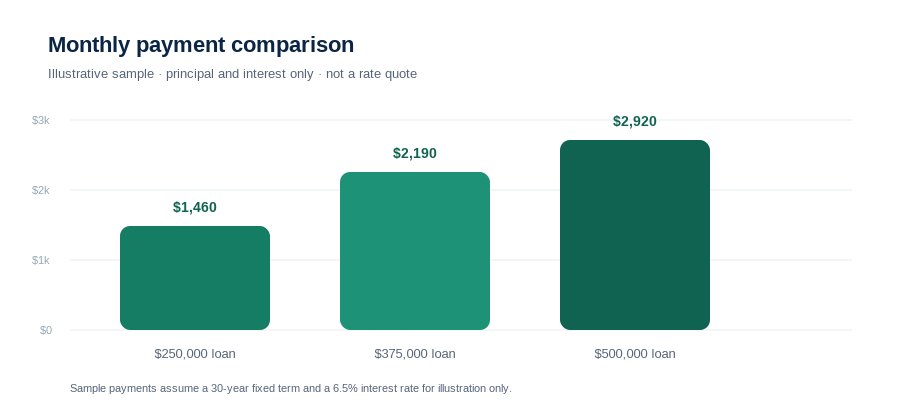
Estimate the home value minus the remaining mortgage balance, then apply the lender's loan-to-value limit.
A known expense fits a fixed loan; staged draws fit a line of credit.
Include closing costs, fees, rate behaviour and the total interest over the repayment period.
The home secures the debt. Keep a reserve and avoid borrowing to the maximum available limit.
Home equity questions
A HELOC is a revolving line you draw from as needed, usually with a variable rate. A home equity loan delivers a lump sum with a fixed rate and a set repayment schedule.
Some homeowners use equity to consolidate higher-rate debt, but the home becomes collateral. Compare the total cost and the risk of a longer repayment term.
Home equity products may have closing costs, fees or introductory terms. Ask for the full cost comparison before applying.
The available amount depends on the home value, mortgage balance, credit profile and the lender's loan-to-value limits.
A fixed home equity loan usually has a fixed rate. A HELOC commonly has a variable rate that can change with the market.
If the goal is to buy or refinance rather than borrow against existing equity, start with the mortgage page.